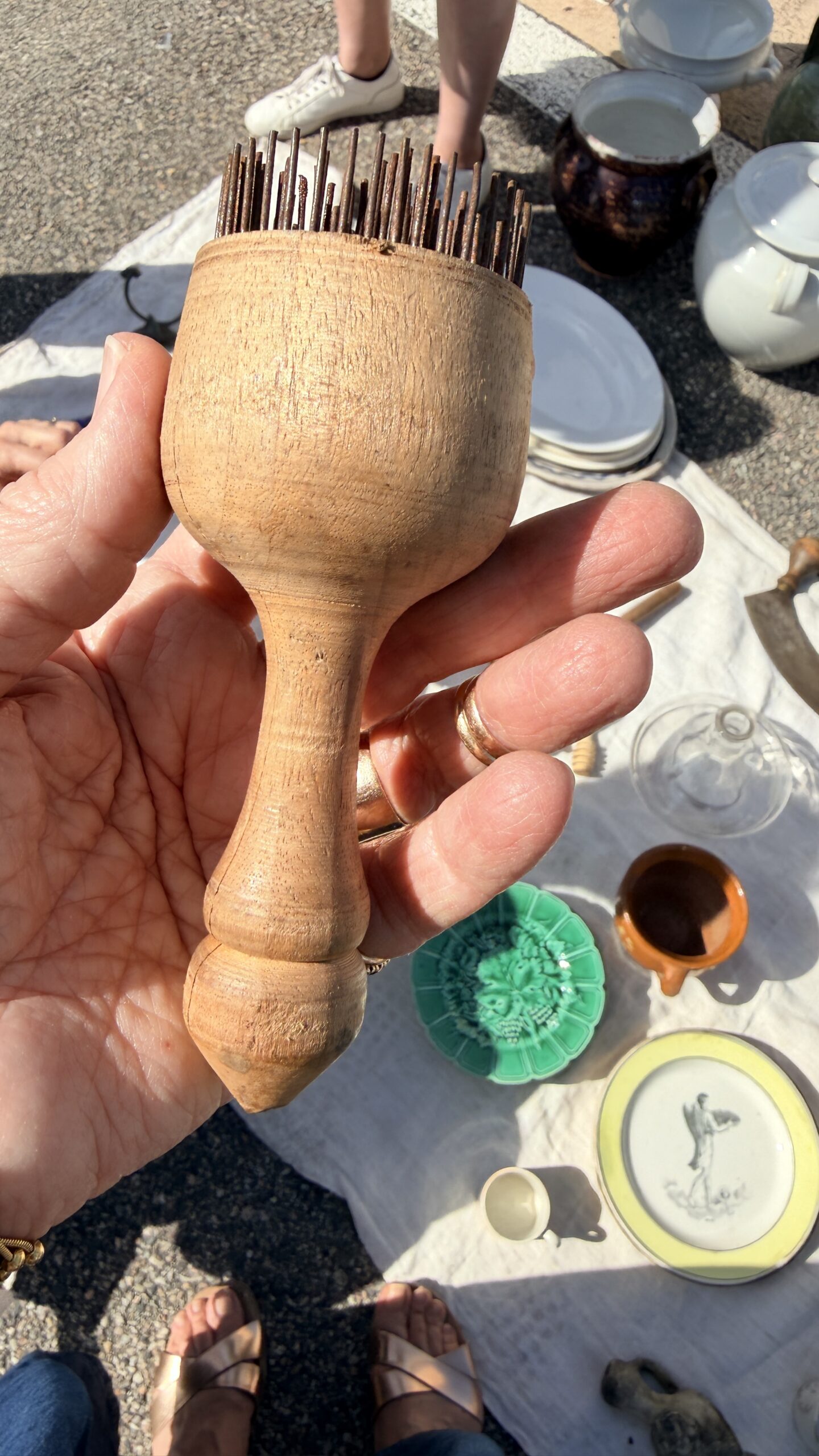
The bread stamp I discovered yesterday came from the Alps… Kathie got it right.
Before homes had its own oven, bread in rural France was baked in a shared communal oven—the four communal,- the four banal. Families would prepare their dough at home, then carry it to communal oven to be baked with their neighbors’ loaves.
With many loaves going in at once, each household marked its bread dough with quick knife cuts—crosses, slashes, or initials—while others pressed symbols into the surface with small stamps.
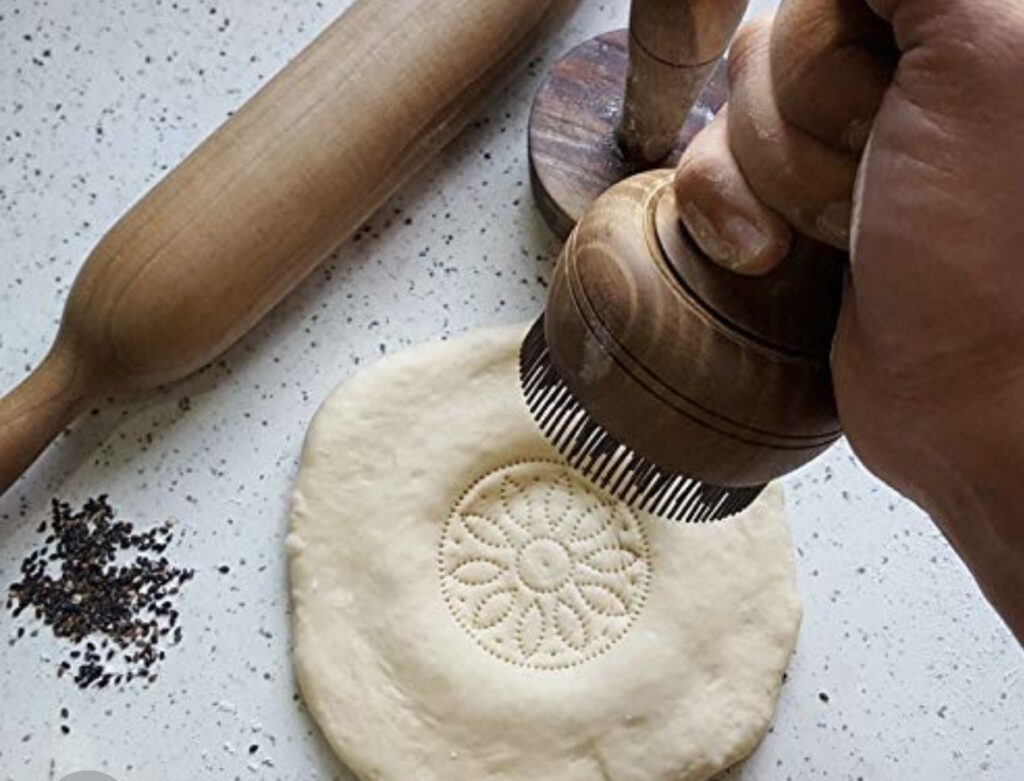
Once baked, families could recognize their own bread. The scoring seen on traditional loaves today has its roots in this very practical
The French communal oven —was an obligation. Under the feudal system, local lords held the right (known as banalités) to require villagers to use their oven, mill, or wine press for a fee. Baking at home was restricted, partly to maintain this source of income and authority, and partly for practical reasons like fire safety since the homes were built of wood and very close together.
Despite the bread making rules, the oven became a social heart of the village. Baking days brought people together—sharing the rhythms of daily life (and gossip).
This communal ovens lasted for centuries, (there is a centuries old oven unused in our neighbor’s garage) until the French Revolution abolished lordly privileges. The communal oven faded from necessity into memory.
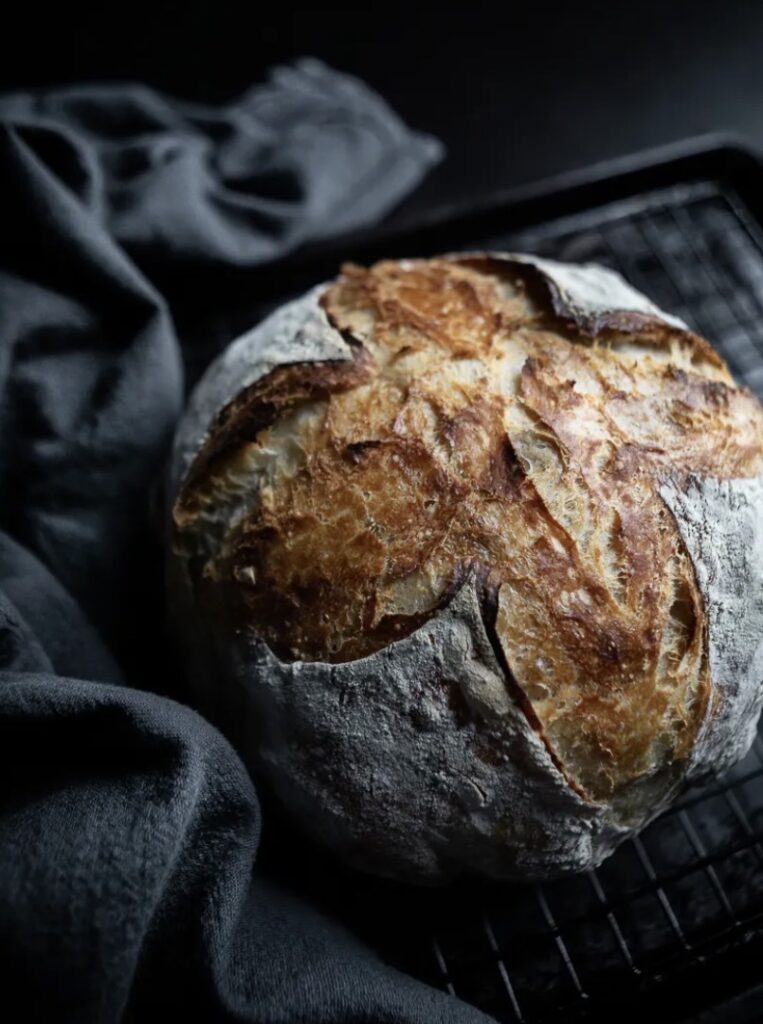
Now when at the boulangerie when you see a rustic loaf with a distinctive pattern, you’re glimpsing a small echo of village life.
Photos from Google Search, new bread stamps on Etsy.

Leave a Reply