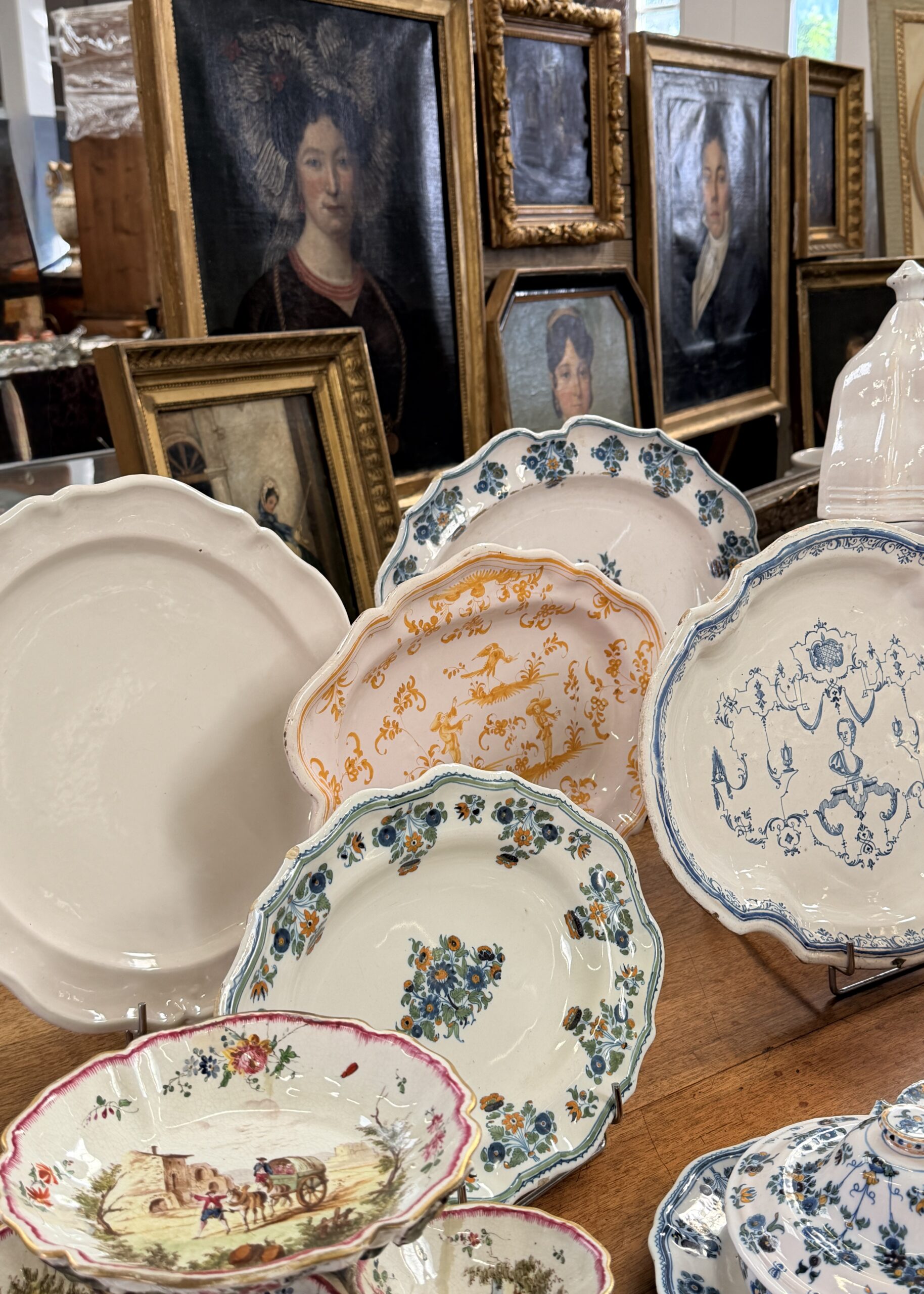
Forty years ago, I attended my first international antique fair in France. I was amazed then, and I still am today. There are thousands upon thousands of beautiful objects to admire. It remains my favorite place to be.
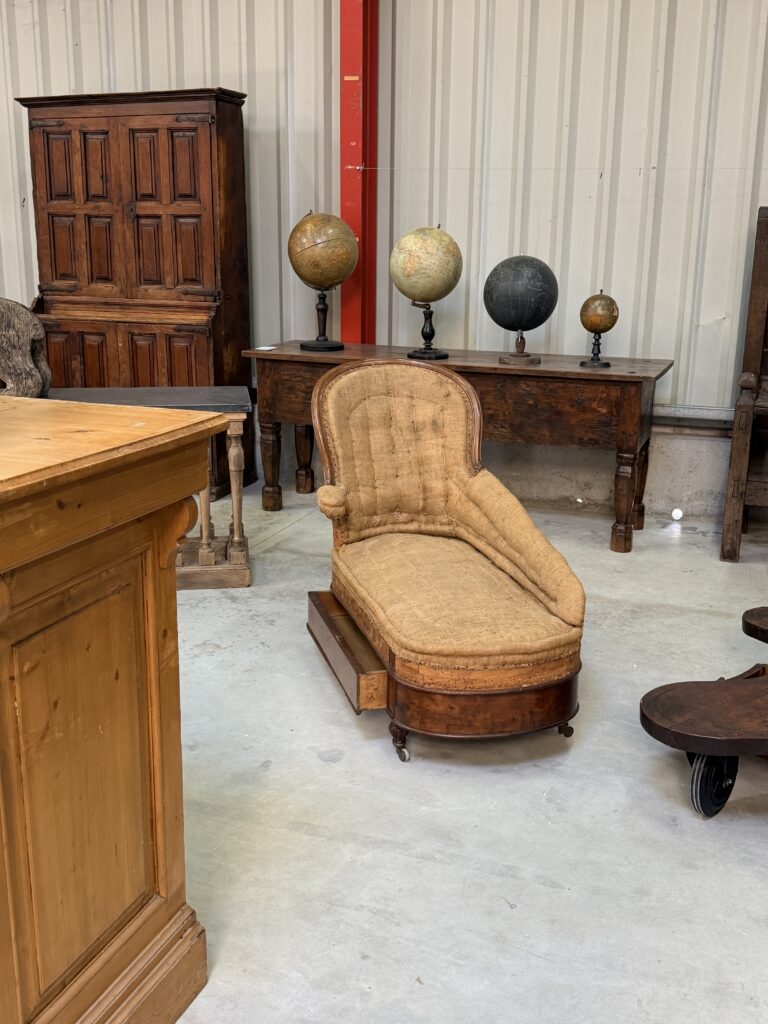
This is not a fair for the general public. It is open only to professional antique dealers, and everything about it is fast, expensive, competitive, and exciting. This year, it was exceptionally hot, which only added to the intensity.
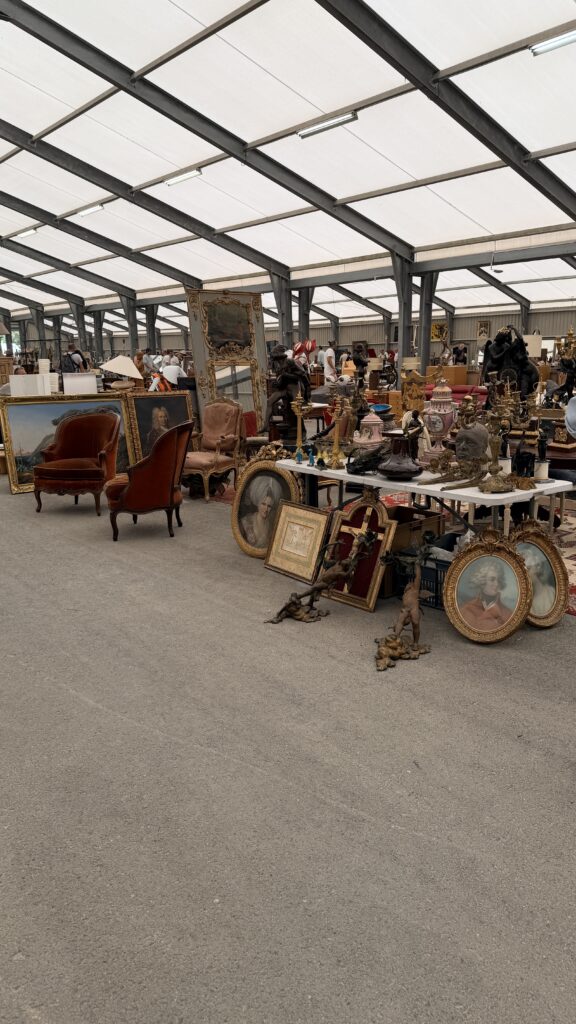
The fair officially opens at eight o’clock in the morning, but experienced buyers know they need to be there by seven. By then, nearly a thousand people are already waiting in line for the gates to open.
The dealers with stands have spent the previous day setting up inside the exhibition halls, carefully arranging their displays. Outside, hundreds of other dealers wait to go to their trucks, ready race to unload the moment the gates open. Alongside them stand buyers from all over the world, everyone impatiently watching the clock.
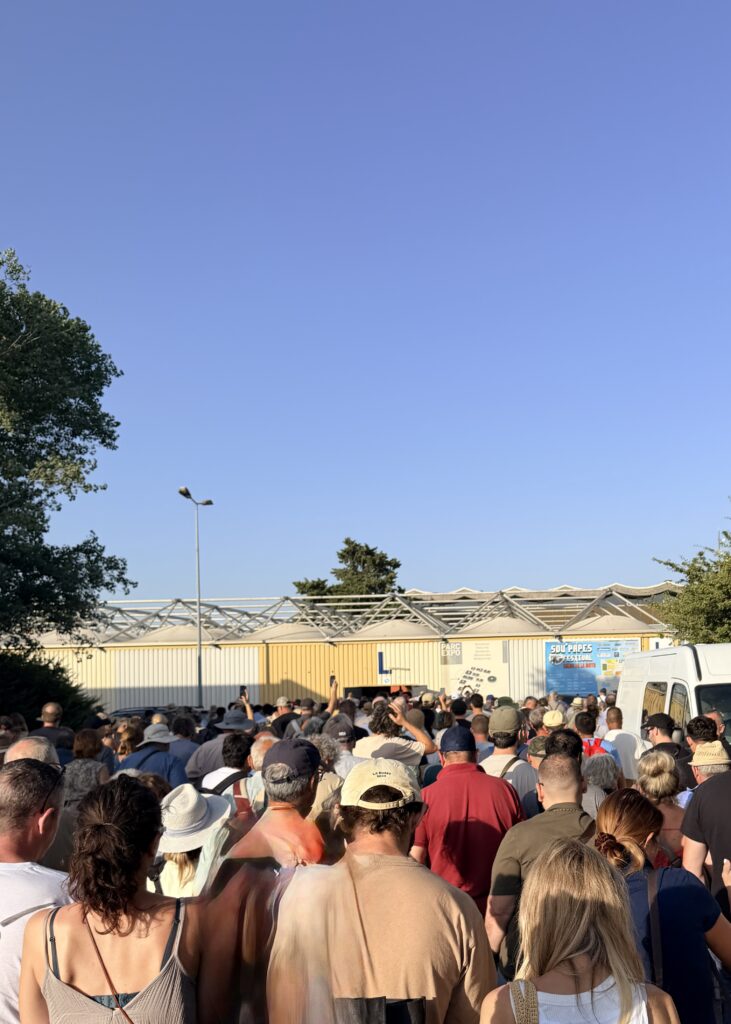
Then, at exactly eight o’clock, the gates open—and chaos begins.
The outside dealers race to their trucks to unload. Buyers sprint through the halls trying to reach their favorite stands before anyone else. It’s an incredible sight.
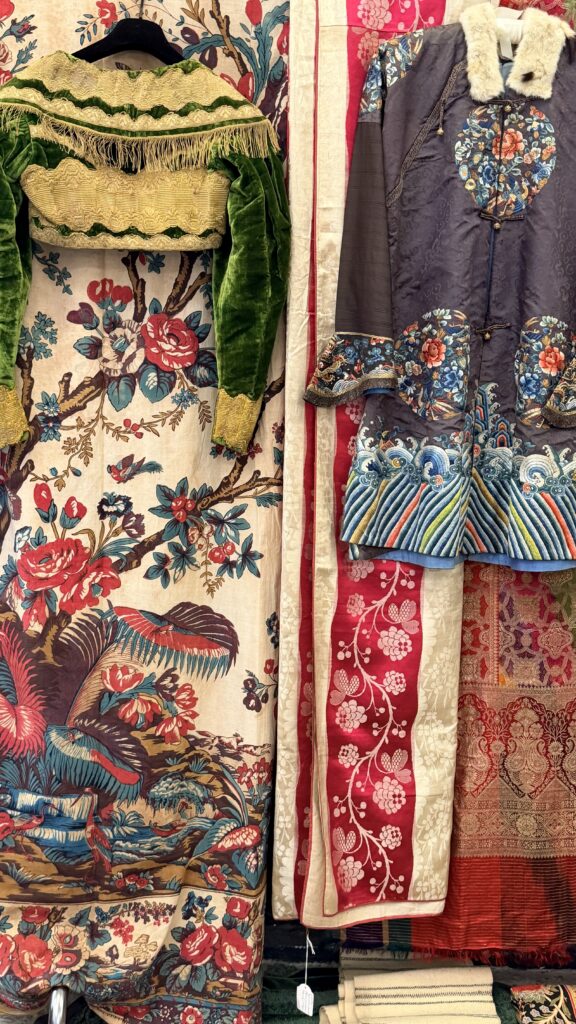
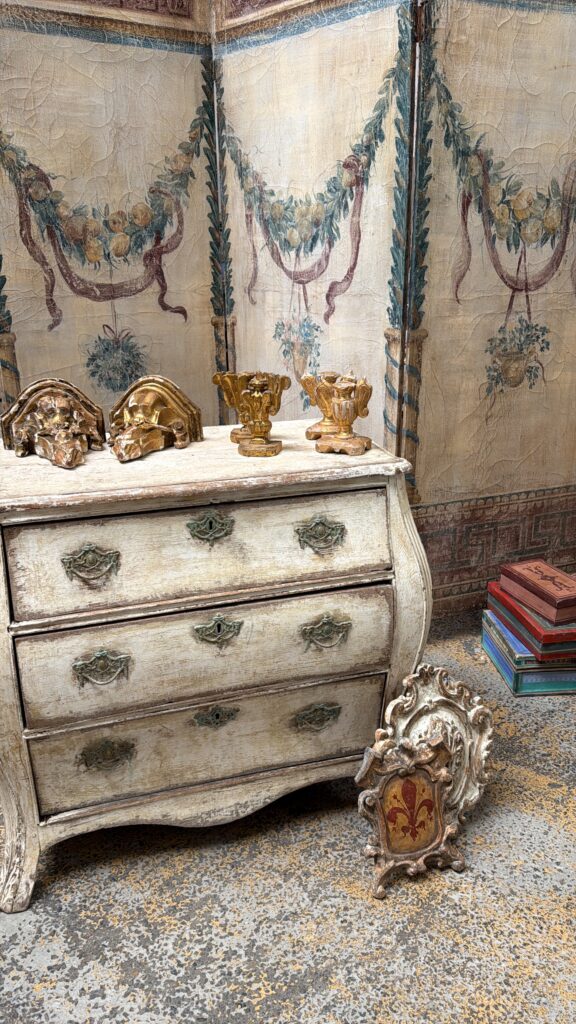
An antique dealer that I know who has a stand at the fair. She had spent the entire previous day creating a beautiful display. She told me that by the time she reached her stand that morning, buyers were already there. Forty people were crowded around, each holding arm loads from her stand completely dismantling everything she had so carefully arranged.
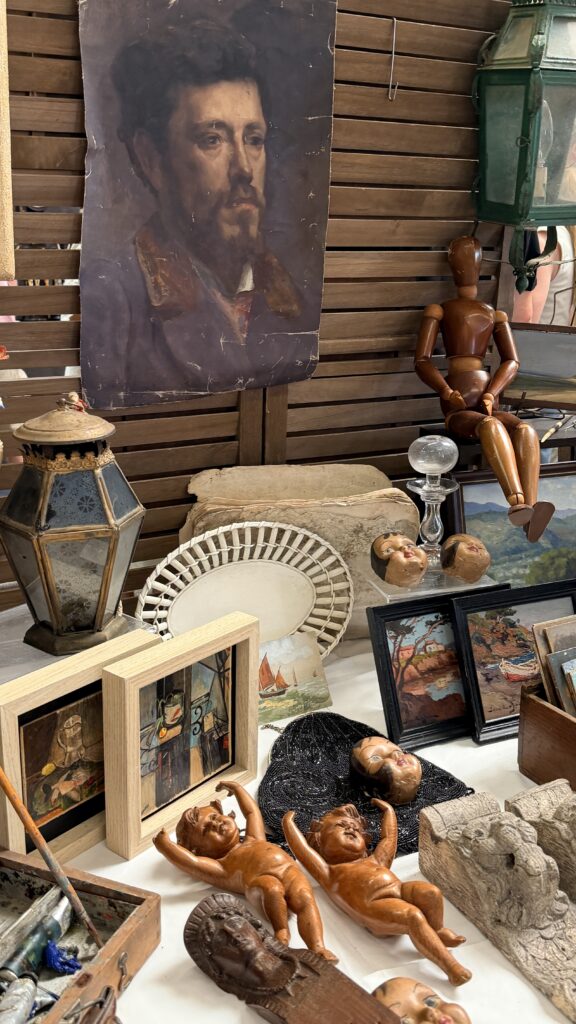
Even with three people working the stand, they couldn’t keep up with the speed of the buying. That’s just how quickly business happens. Tempers sometimes flare, competition is fierce, and everyone wants to find the next great piece before someone else does. Most deals are made in the first hour.
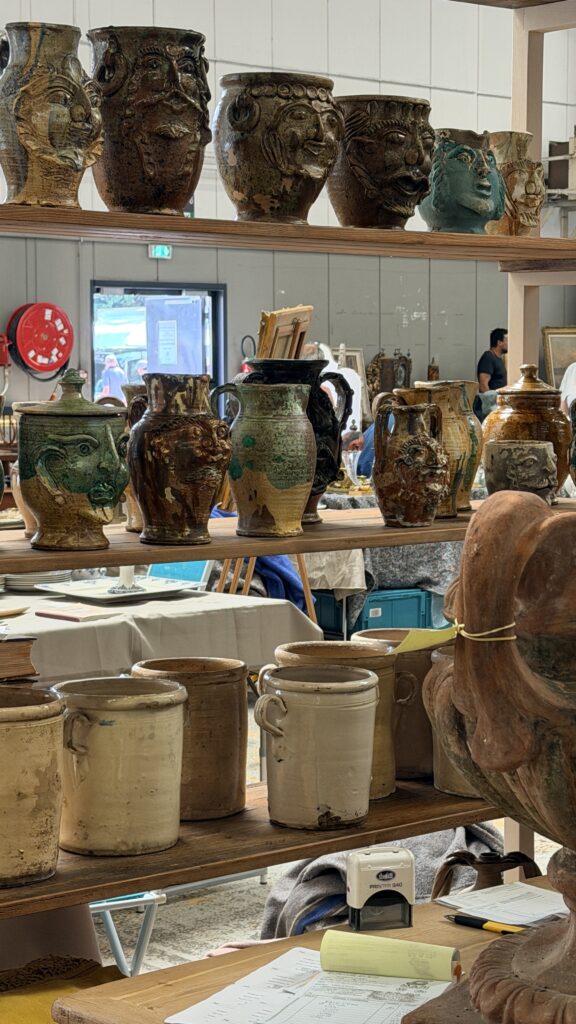
Everything is paid for in cash.
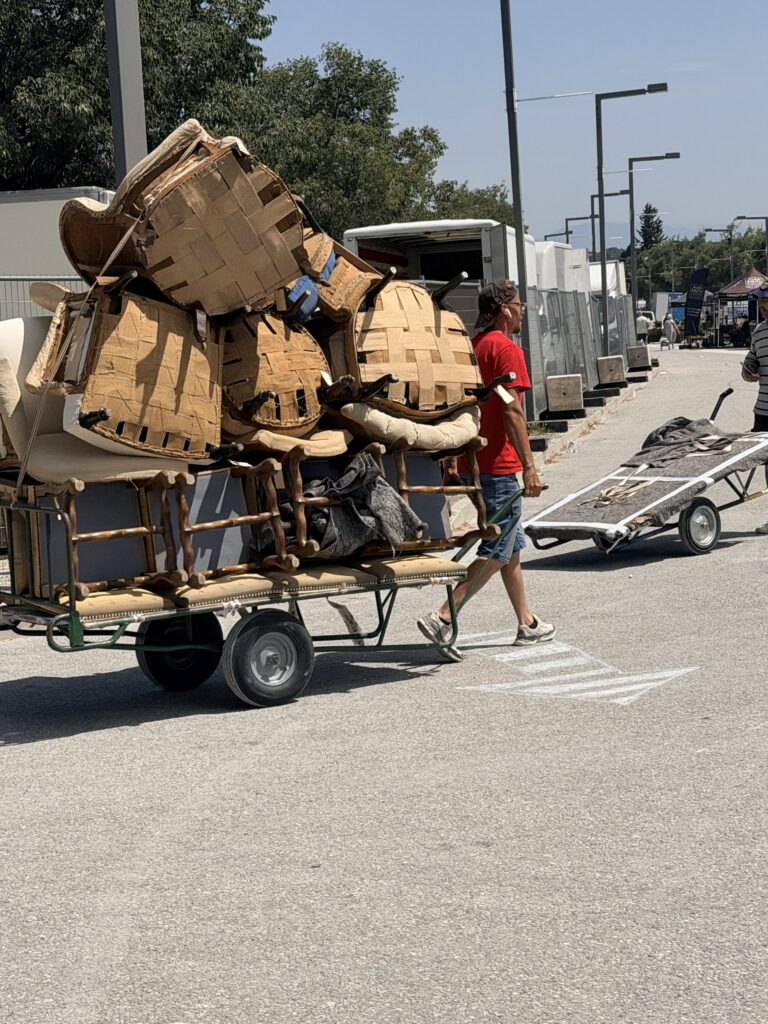
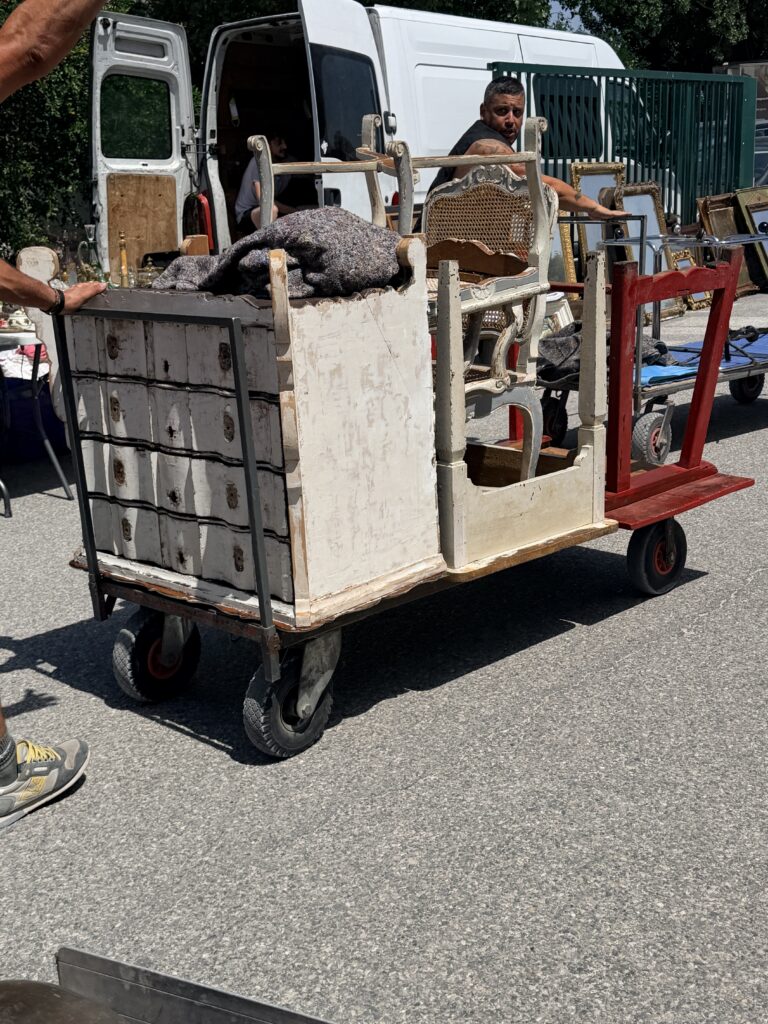
Anything purchased must be removed that same day, creating another remarkable spectacle. Hundreds of transporters arrive with trucks, vans, dollies, and hand carts. Porters push enormous loads across the exhibition halls, and across the roads carefully transporting furniture, paintings, sculptures, chandeliers, and countless other antiques back to waiting trucks. From there, everything is packed and shipped to destinations around the world.
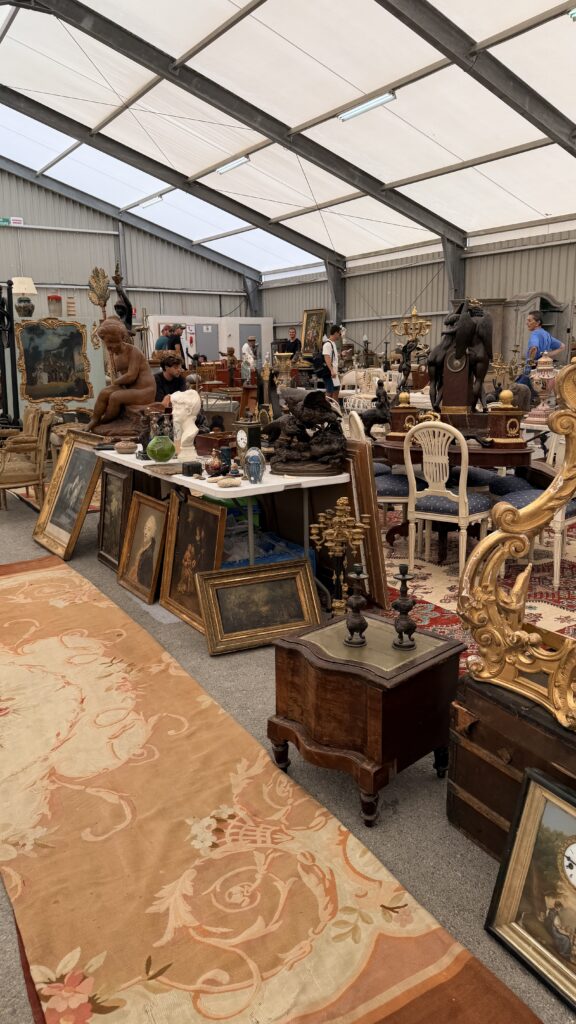
The fair attracts buyers and sellers from everywhere—Italy, Spain, Belgium, England, the United States, and many other countries. It is truly an international marketplace.
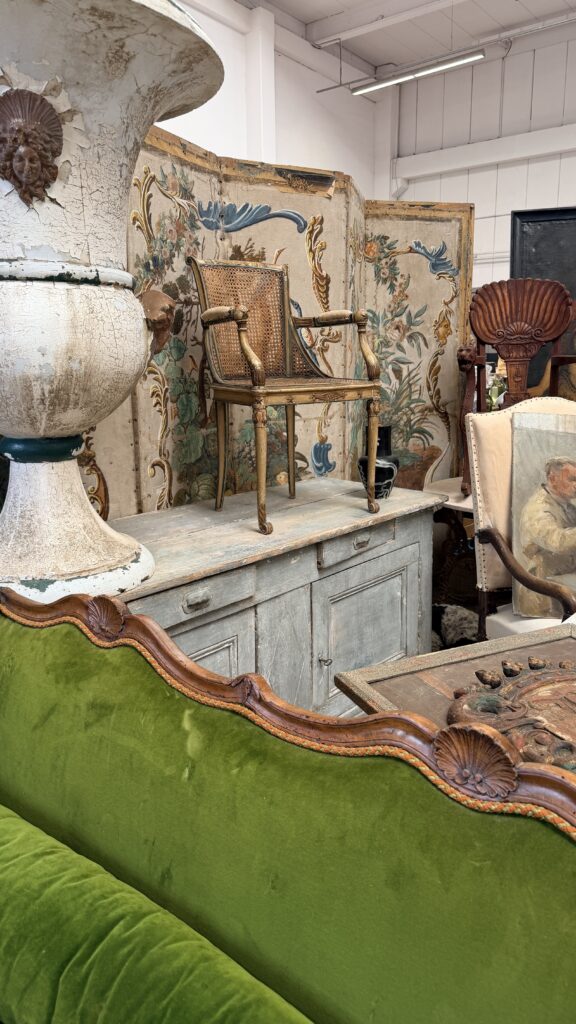
People often assume that because so many overseas buyers attend, there must be bargains to be found. The antiques purchased here are often pieces that simply cannot be found in their home countries. By the time they are transported overseas, packed into containers, shipped, unpacked, and sold, the original purchase price must be tripled just to break even. That means these buyers have knowledgeable clients who appreciate exceptional antiques and are willing to pay for them.
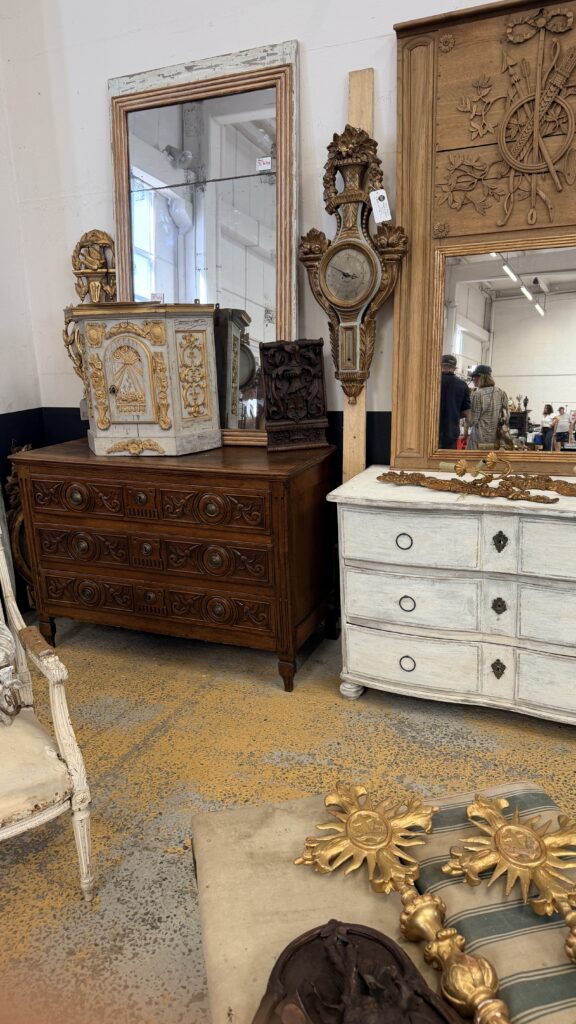
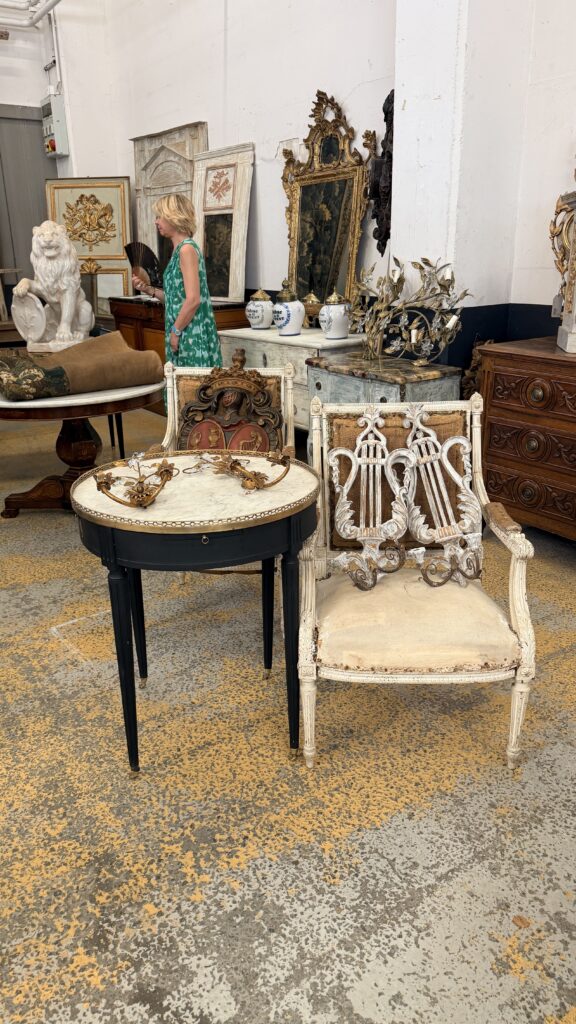
The experience, the energy, and the beauty of thousands upon thousands of remarkable objects gathered in one place. Even after forty years, I still walk through those doors with the same sense of amazement I felt the very first time.

Leave a Reply