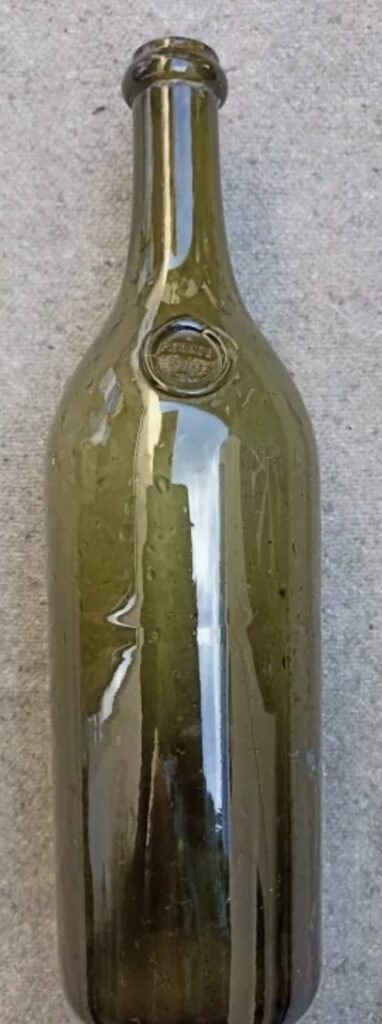
Absinthe—born in the late 18th century, first as a remedy, a tonic of wormwood and herbs. Switzerland, then France. It found its way into cafés, onto marble tables, into the rhythm of afternoons.
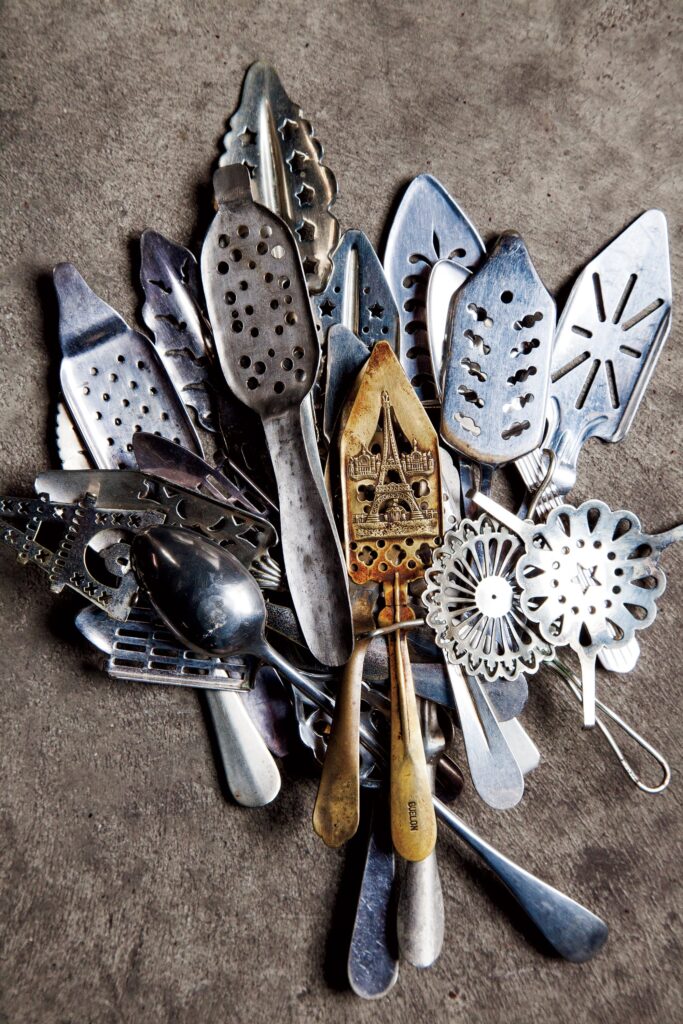
Served slowly. A glass, a slotted spoon, a sugar cube resting on top. Ice water dripped over, clouding the green into a milky haze—the louche. The Green Fairy.
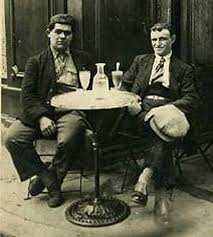
Tap here to see how it was served.
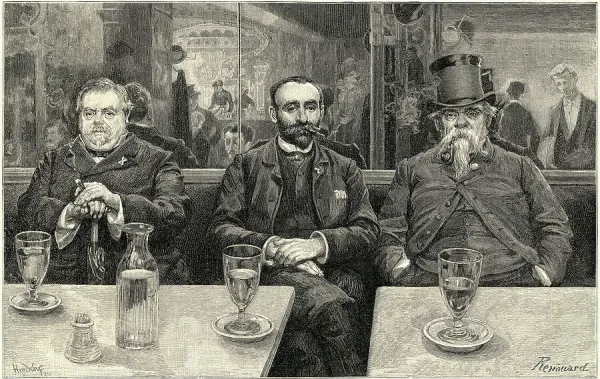
It wasn’t just a drink, it was a ritual. Poets lingered over it. Artists too. They believed it opened something—thoughts, colors, edges of imagination. Whether truth or myth didn’t matter.
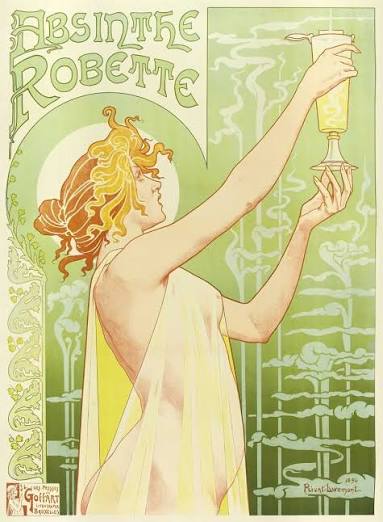
“A glass of absinthe is as poetical as anything in the world. What difference is there between a glass of absinthe and a sunset?” — Oscar Wilde
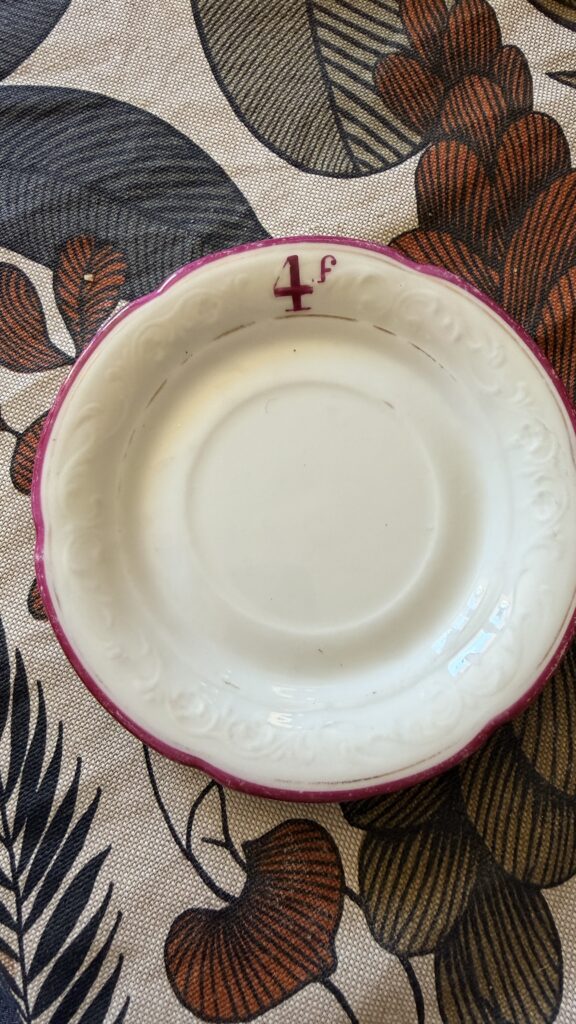
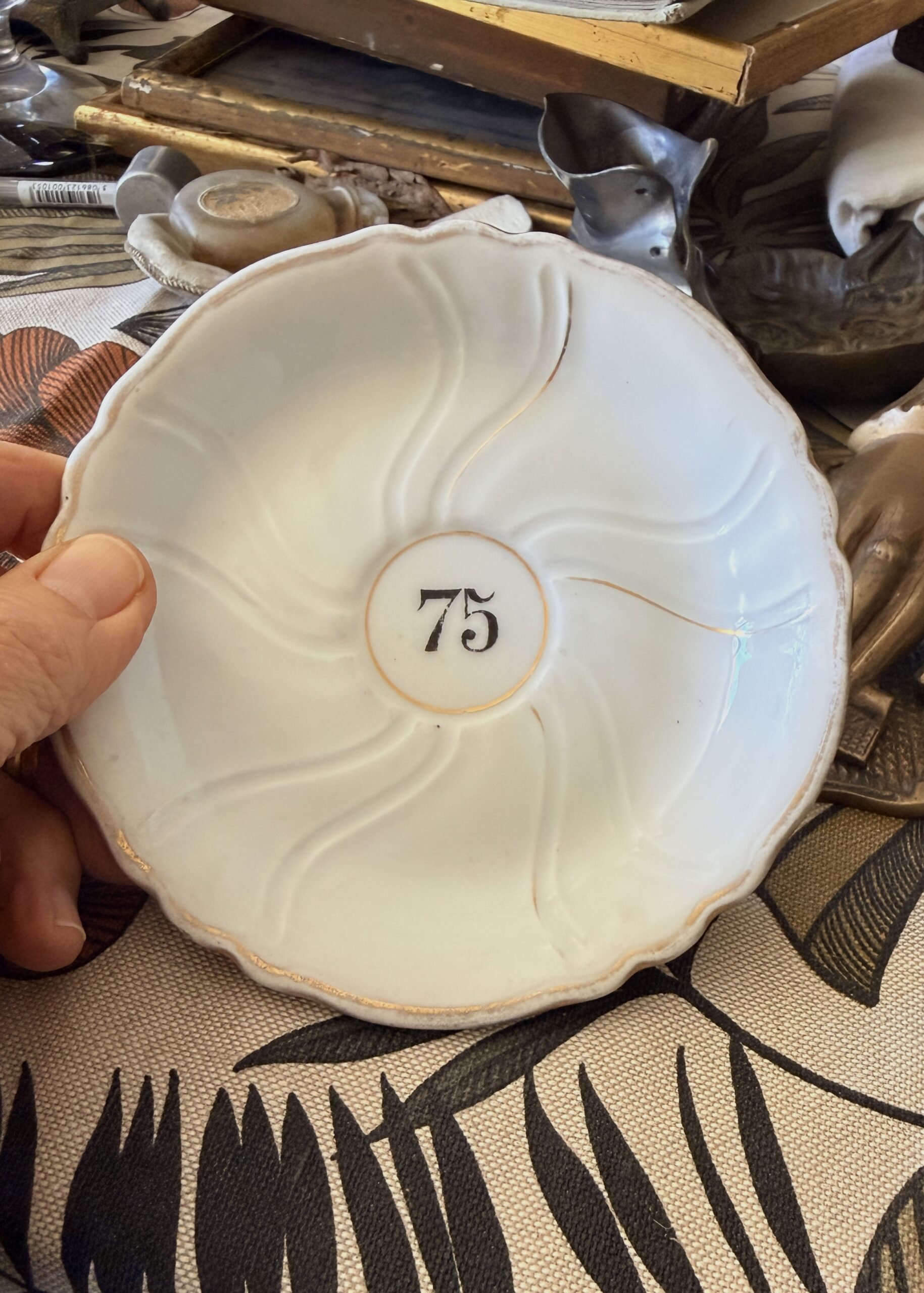
“Absinthe bistro saucers served a dual purpose in the pre-ban absinthe era. In addition to acting as coasters, they also indicated the price of the absinthe being served. The price, printed on the bottom or side of the saucer, corresponded to a color painted on its outer rim. When stacked, these colored rims allowed the waiter to quickly identify how much to charge each customer. At the end of the service, payment was typically left inside the saucer itself.” Tap the first words to find reproduced absinthe plates.
I found three antique absinthe plate plates yesterday at the brocante.

Leave a Reply